


























Xiangqi: Chinese chess
About Xiangqi: Chinese chess — Strategy Board Game for Two Players
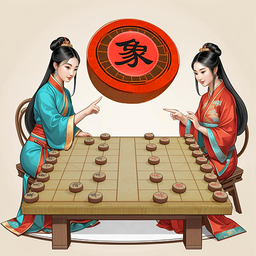
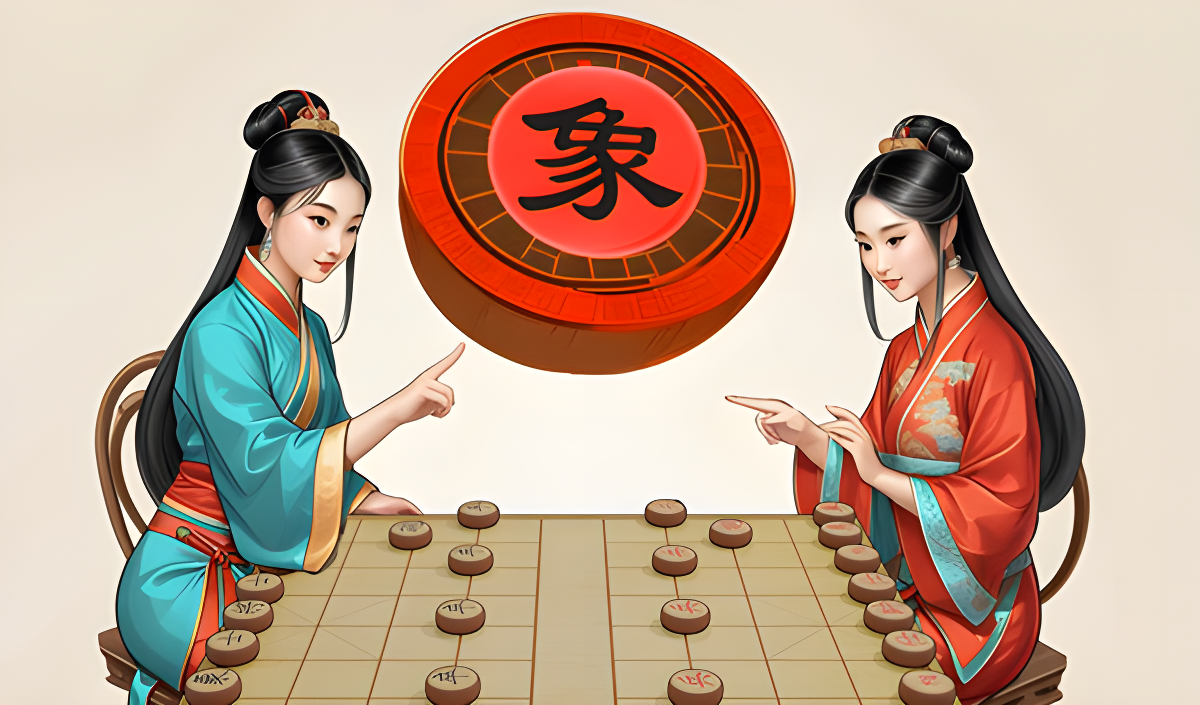
Xiangqi: Chinese chess, also called elephant chess, is a two-player strategy board game rooted in ancient tradition. The board is nine lines wide and ten lines long, and pieces are placed on the intersections of those lines — called points — rather than inside the squares, which immediately sets it apart from Western chess. The game represents a battle between two armies, typically coloured red and black, each commanding 16 pieces, with the central goal of checkmating the enemy's general.
Several structural features define the board itself. Two square zones marked with diagonal cross-hatching lines appear on the board — one green and one red — serving as the palaces. A horizontal band called the river divides the board into two banks, and its presence directly shapes how certain pieces move.
How to Play Xiangqi: Chinese chess — Checkmate the Enemy General
The win condition has a notable distinction from Western chess: a stalemate counts as a win for the player who delivers it, not a draw. Victory comes by checkmating the opponent's general or by stalemating them.
Board Zones and Their Rules
- River: divides the board into two banks; soldiers gain increased movement after crossing it, and elephants cannot cross it at all.
- Palace (Fortress): the 3×3 area marked with two diagonal lines; generals and advisors cannot leave this zone.
Key Movement Rules
- The two generals may never face each other on the same open column — at least one other piece must stand between them on that column at all times.
- The cannon moves like a rook but can only capture an enemy piece when exactly one piece, called a screen, stands between it and its target.
Army Composition
Each player commands 16 pieces across six types:
- 1 General (or King)
- 2 Advisors (Assistants)
- 2 Elephants
- 2 Horses (or Knights)
- 2 Chariots (or Rooks / Cars)
- 2 Cannons
- 5 Soldiers (or Pawns)
A more detailed description of each piece is available inside the game.
Games You Might Like
If the intersecting-point movement and palace rules of Xiangqi appeal to you, Shogi: Japanese Chess offers a similarly deep turn-based board experience where captured pieces can be returned to the board as your own. For a closer relative of classical chess with a shifted starting arrangement, Makruk: Thai Chess plays on an 8×8 board with its own distinct piece rules and pawn placement. The familiar 8×8 battlefield with kings, queens, and rooks is always available in Classic chess, which supports play against AI, a local opponent, or network multiplayer. Browse the full Chess games collection for more board strategy titles, or explore the broader Puzzle games category for mind-sharpening challenges beyond the chessboard.
Video